kwi
23

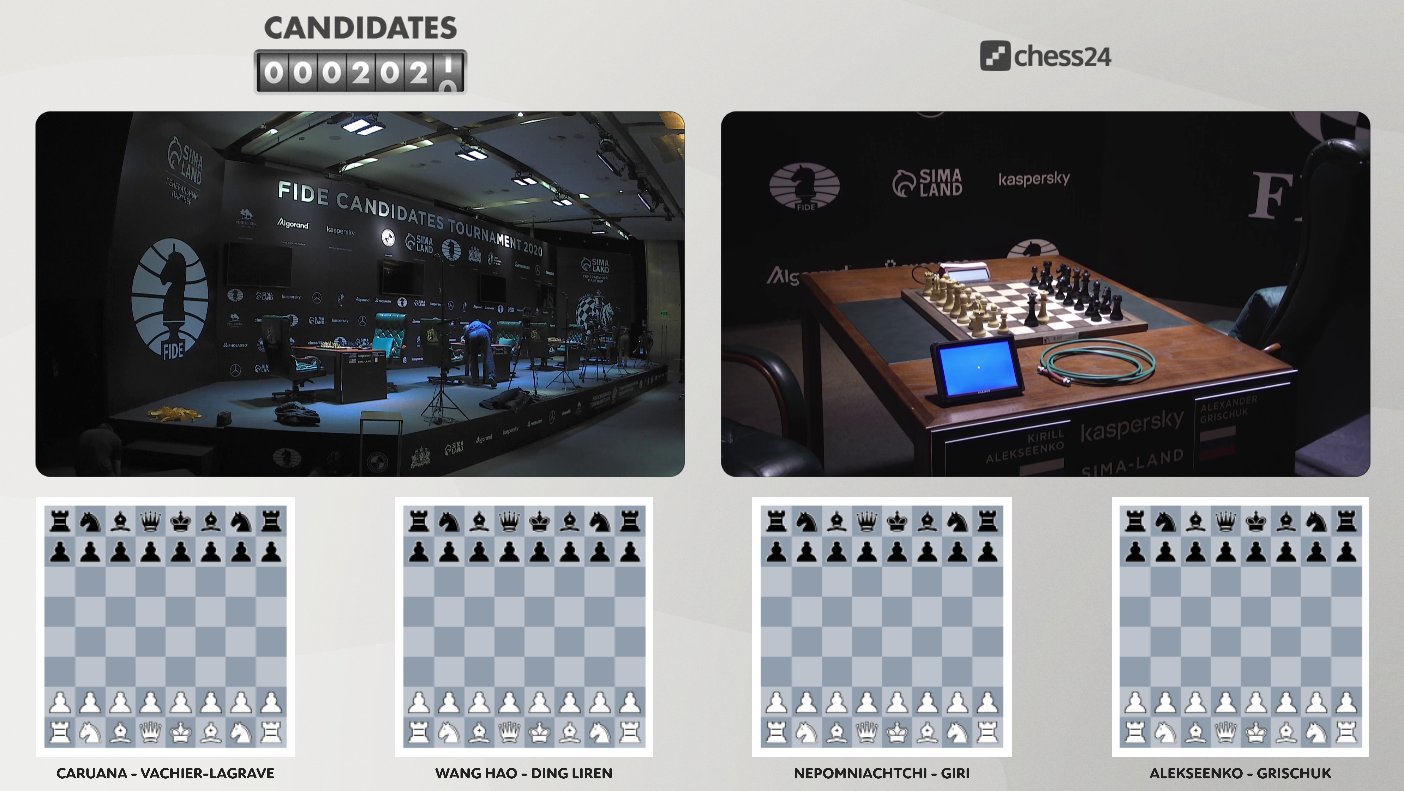
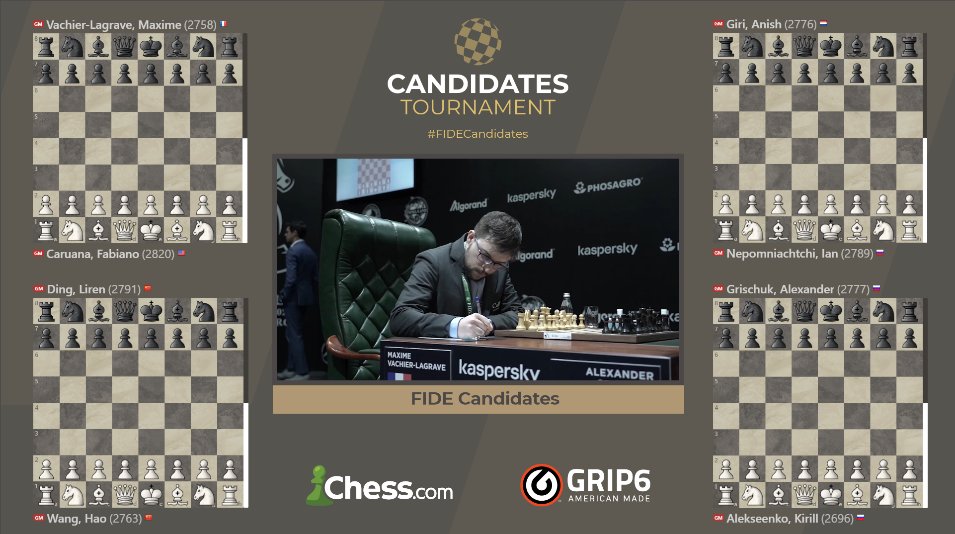
Przed rozpoczęciem drugiego koła turnieju kandydatów w Jekaterinburgu otrzymałem od Internautów kilka listów elektronicznych z pytaniem: kto moim zdaniem zwycieży?
Moim faworytem jest Caruna, który trzykrotnie wygrał „Dortmund” (2012, 2014 oraz 2015) i w 2016 r. walczył z Carlsenem o prymat w szachach. Poznałem dobrze jego twórczość i możliwości sportowe.
Ale do walki o pierwsze miejsce może włączyć się także Vachier Lagrave (zwyciężył w Dortmundzie 2016) oraz Niepomniajszczyj (wygrał Dortmund 2018).
Aktualna tabelka po 10 partiach
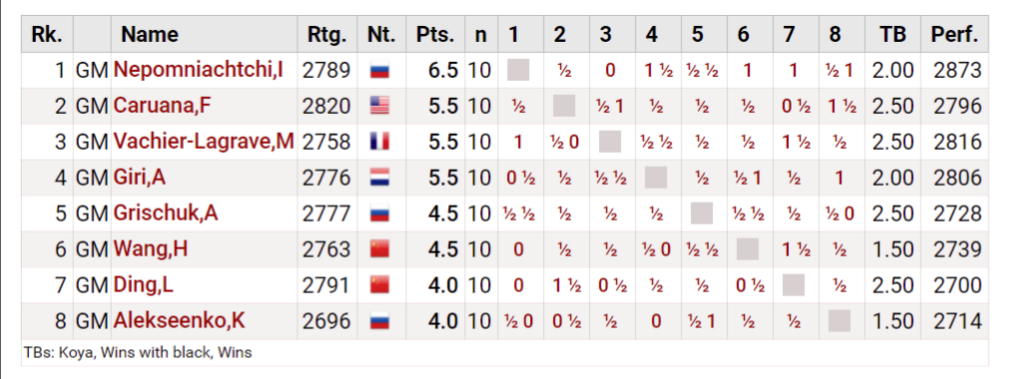
Lider Niepomniajszczyj spotka się jeszcze z Caruaną i Vachier Lagrave. Zatem oczekują nas wielkie emocje!
Dla przypomnienia: byłem czterokrotnie zaangażowany w opracowaniach książek meczowych o mistrzostwo świata:
Carlsen – Karjakin, Nowy Jork 2016 (wersja niemiecka)
Carlsen – Karjakin, Nowy Jork 2016 (wersja angielska)
Carlsen – Caruana, Londyn 2018 (wersja niemiecka)
Carlsen – Caruana, Londyn 2018 (wersja angielska).
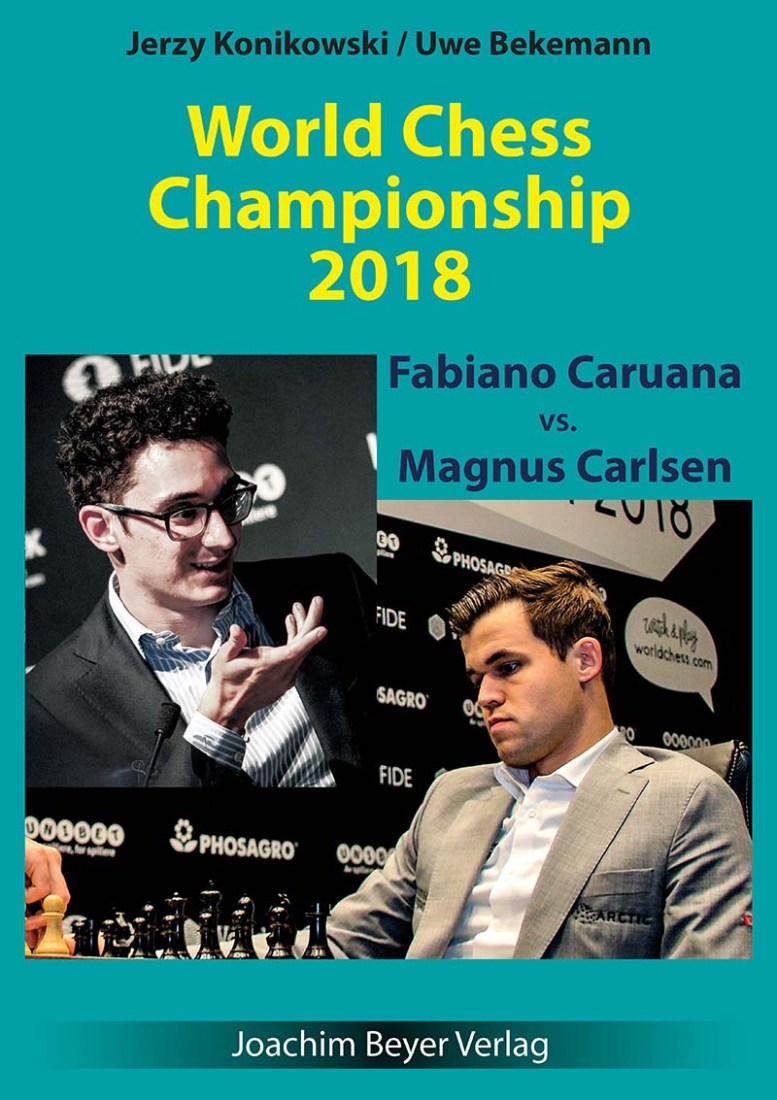
World Chess Championship 2018: Fabiano Caruana vs. Magnus Carlsen
by Jerzy Konikowski & Uwe Bekemann
The duel for the crown of the world’s best player has been the absolute highlight of international chess since the beginning of tournament chess. In November the world champion was determined in London in a match over 12 games and a tie-break – between the title defender Magnus Carlsen from Norway and his challenger Fabiano Caruana from the USA.
In the run-up there was no doubt that an interesting showdown was to be expected, as the two protagonists were holding the first two places in the world rankings. Accordingly, the chess world was feverishly awaiting this event. After winning the Candidates Tournament in Berlin earlier this year, the American Grandmaster had also shown great form at numerous other top events, and his accomplishments left no doubt that he was an absolutely worthy opponent for the defending champion.
In this book all the games are analyzed in detail and commented in an entertaining and understandable way. In addition, it also offers a close look at the framework conditions and the events that led to the finale. So you will find, for example, chapters like 'The Opponents in Short Portrait’ and 'The Previous Fights of the Protagonists’. Then there are interviews with various top players and experts under the title 'Predictions Before the Fight’ – rounded off by a playful opportunity to compete with the champions: 'Try to Find Combinations Like Carlsen and Caruana!’
Paperback, 184 pages, Joachim Beyer Verlag
Zbigniew Pakleza: „Łukasz Turlej broni Patrycji. Dla wszystkich szachistów sprawa jest oczywista. Zdziwiłem się, że dla wiceprezesa FIDE ta sprawa oczywista już nie była. FIDE walczy z oszustwami; zdziwiło mnie że wziął w obronę Patrycję. Wiceprezesów jest kilkudziesięciu i może żadna odpowiedzialność za tym nie stoi. Nie wygląda to dobrze, że zawodniczka takiej obrony się doczekała. Dla kogoś kto w szachach siedzi – sytuacja jest jasna. PZSzach wydał jedyną słuszną decyzję; niejednogłośnie niestety, choć sytuacja jest oczywista. A pełnomocnik Patrycji (Paweł Dziubiński -przyp.red.) kiedyś został z turnieju wyrzucony przez znanego i cenionego sędziego Witalisa Sapisa. Śmieszne, że po drugiej stronie zebrała się taka ekipa”. link
 Fot. FB
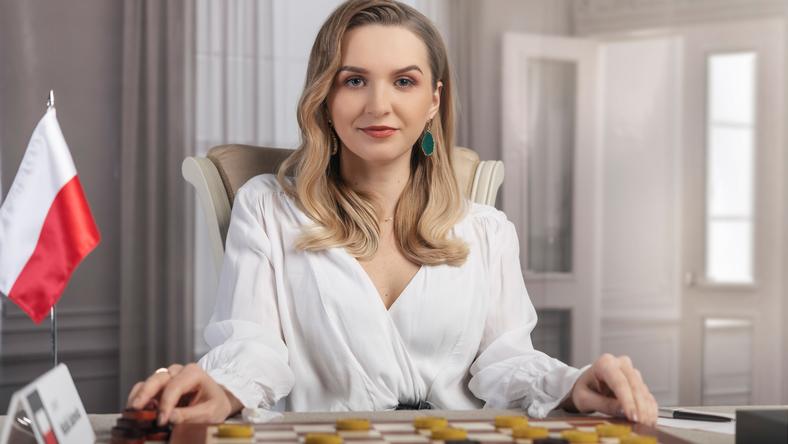
Foto Magda Grajek
Natalia Sadowska jest pierwszą kobietą spoza bloku dawnych krajów ZSRR, która została mistrzynią świata w warcabach stupolowych. Już 23 kwietnia w Warszawie rozpocznie swój mecz o odzyskanie tytułu. Rywalką Rosjanka Tamara Tansykkużyna…
Autor Tomasz Kalemba
Ostatnio głośno jest o warcabach. Przed kilkoma dniami z wielkim zainteresowaniem obejrzałem program:
W przeszłości na blogu było kilka informacji o tej dyscyplinie:
Natalia Sadowska lepsza od Wasylego Iwanczuka!
Jannes van der Wal – warcabista i szachista
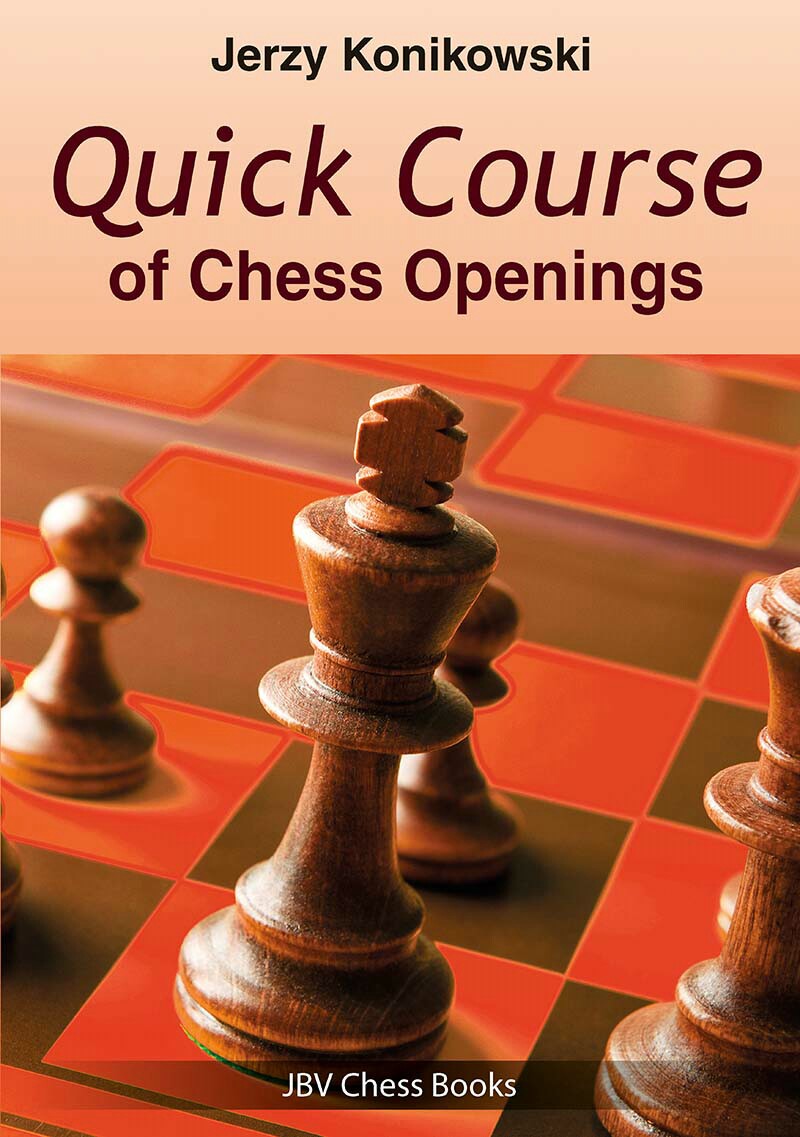
Quick Course of Chess Openings by Jerzy Konikowski
Each section of a chess game – opening, middlegame and endgame – has a special significance. In the case of a material or positional disadvantage at the beginning of the fight, it’s not easy to master the middlegame, and mostly there will be no endgame at all. This means that without convincing play in the opening you will not be successful in chess. For this reason, opening books enjoy great popularity. However, since building an individual opening repertoire requires reviewing a lot of material, it makes sense to look for a time-saving approach like the one offered by this quick course.
The author has tried to present all the important openings objectively and without paying particular attention to fashion trends. His work is based on the evaluation of a lot of games from tournament practice, supplemented by many of his own analyzes and those of well-known theorists. It can therefore be assumed that, after studying this book, readers will treat their preferred openings with greater understanding and will be rewarded with corresponding successes.
The author, FIDE Master Jerzy Konikowski, is a recognized trainer and chess theorist. His numerous books and articles have been translated into several languages and published in many countries.
Paperback, 332 pages, JBV Chessbooks
Niedawno ukazała się w wydawnictwie Penelopa pouczająca książka dla młodzieży.
Polecam!
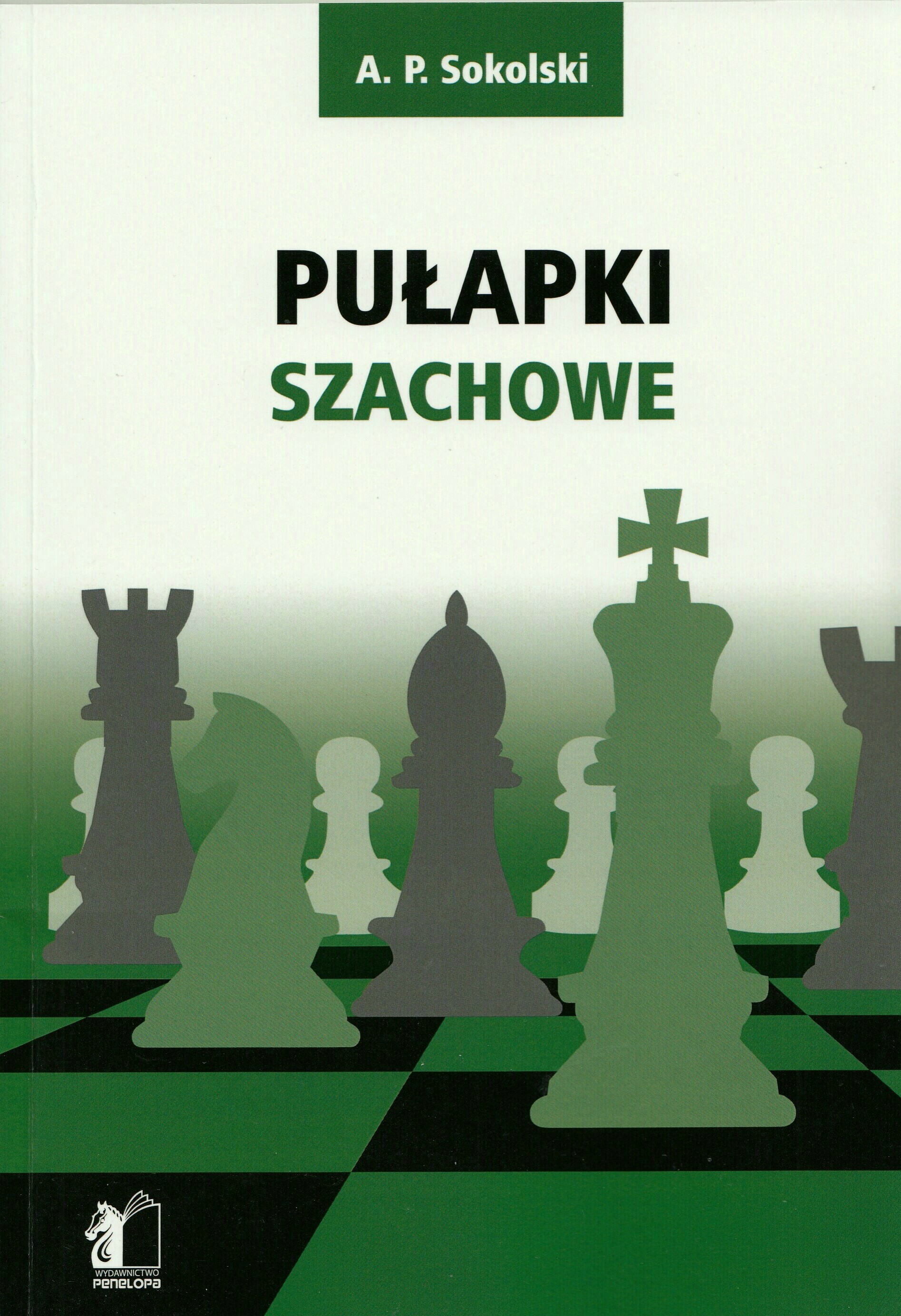
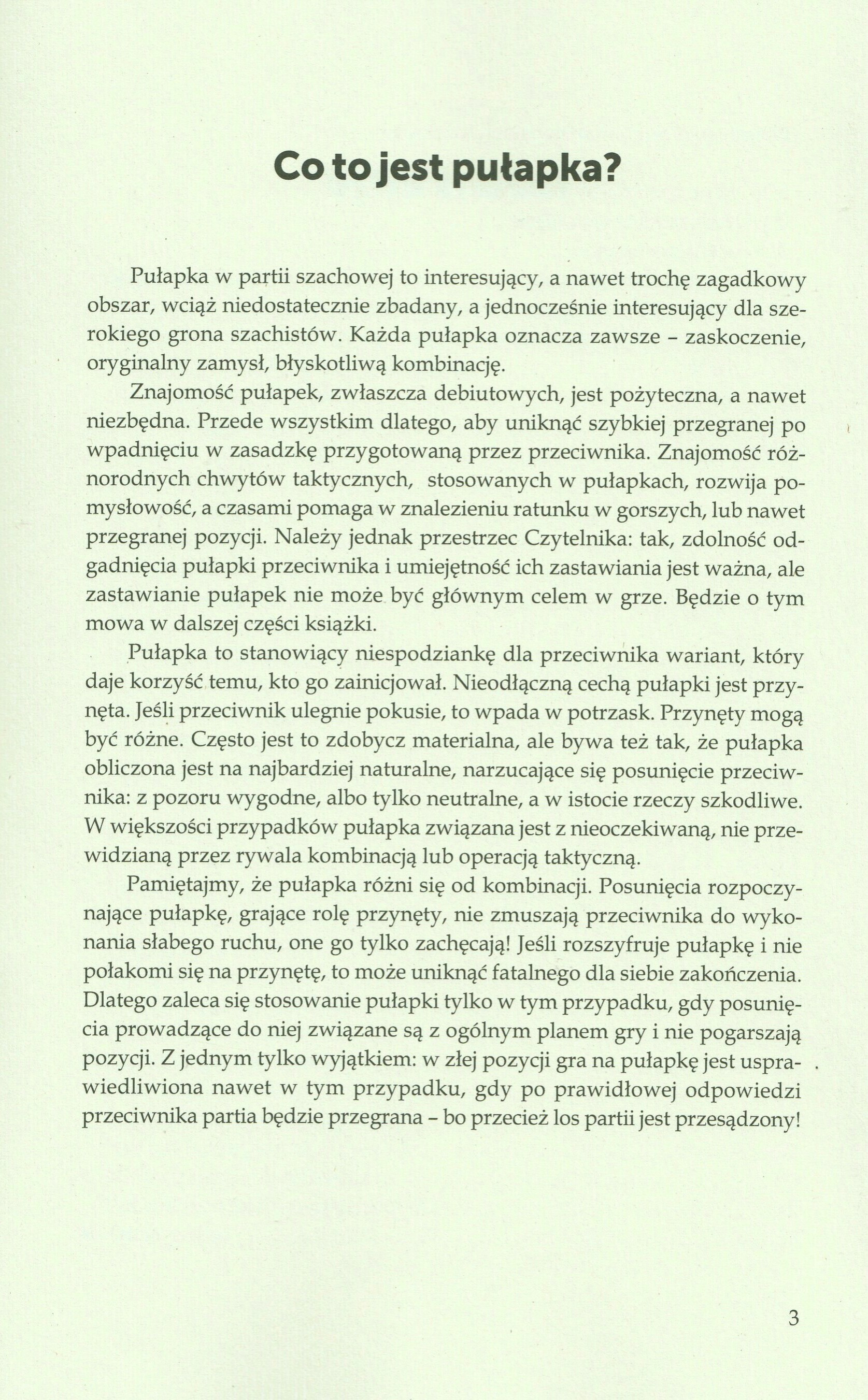
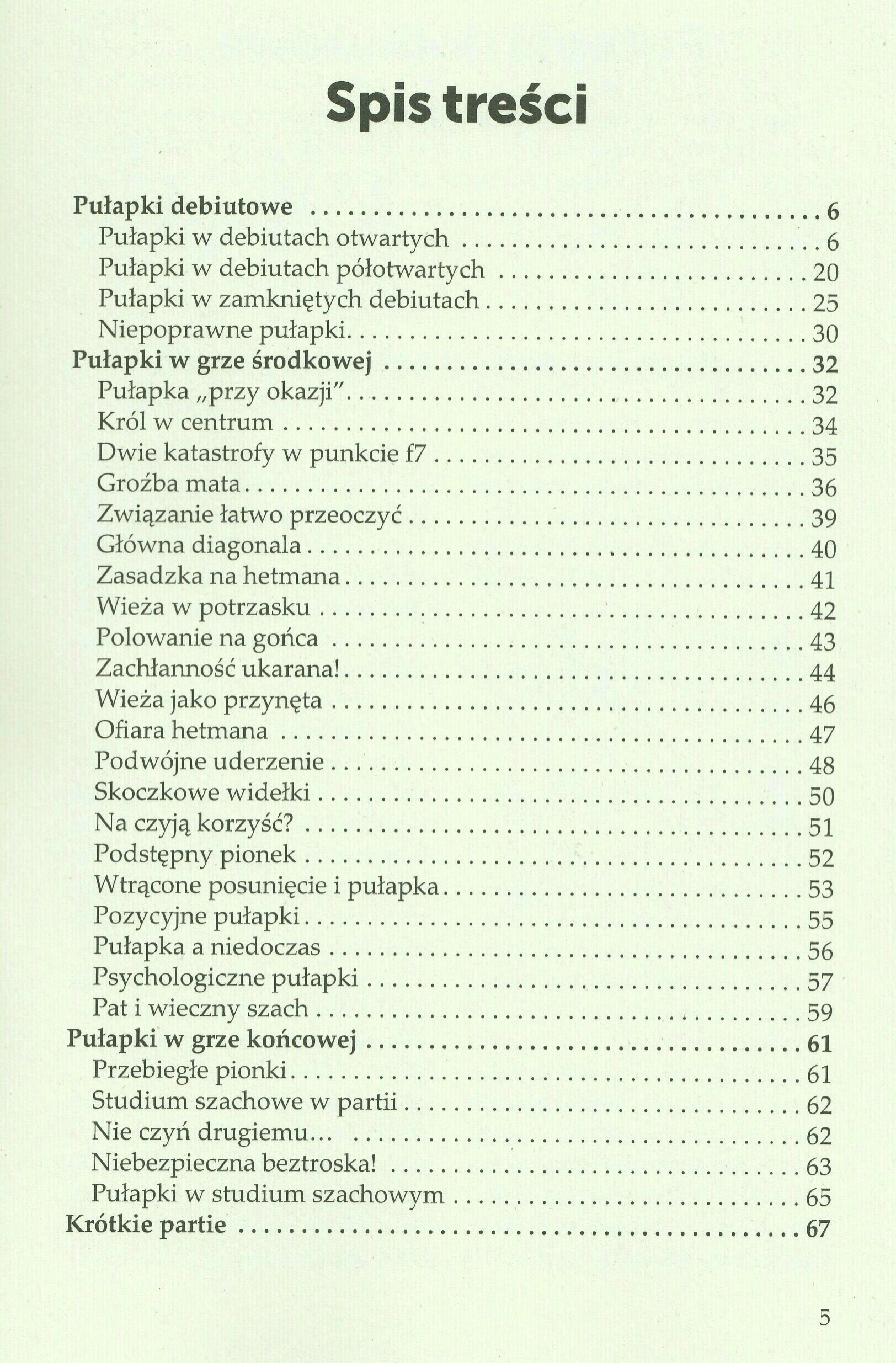
A.P. Sokolski
Pułapki szachowe
Penelopa, Warszawa 2021
70 stron
ISBN 978-83-950491-8-7
Mike Tyson visits Arnie’s house to play chess – joined by UFC legend https://t.co/IiVdkfHdwV
— Saša Adamović (@Sasa_Adamovic) April 18, 2021