
lip
31

Kontynuacja odcinka 6

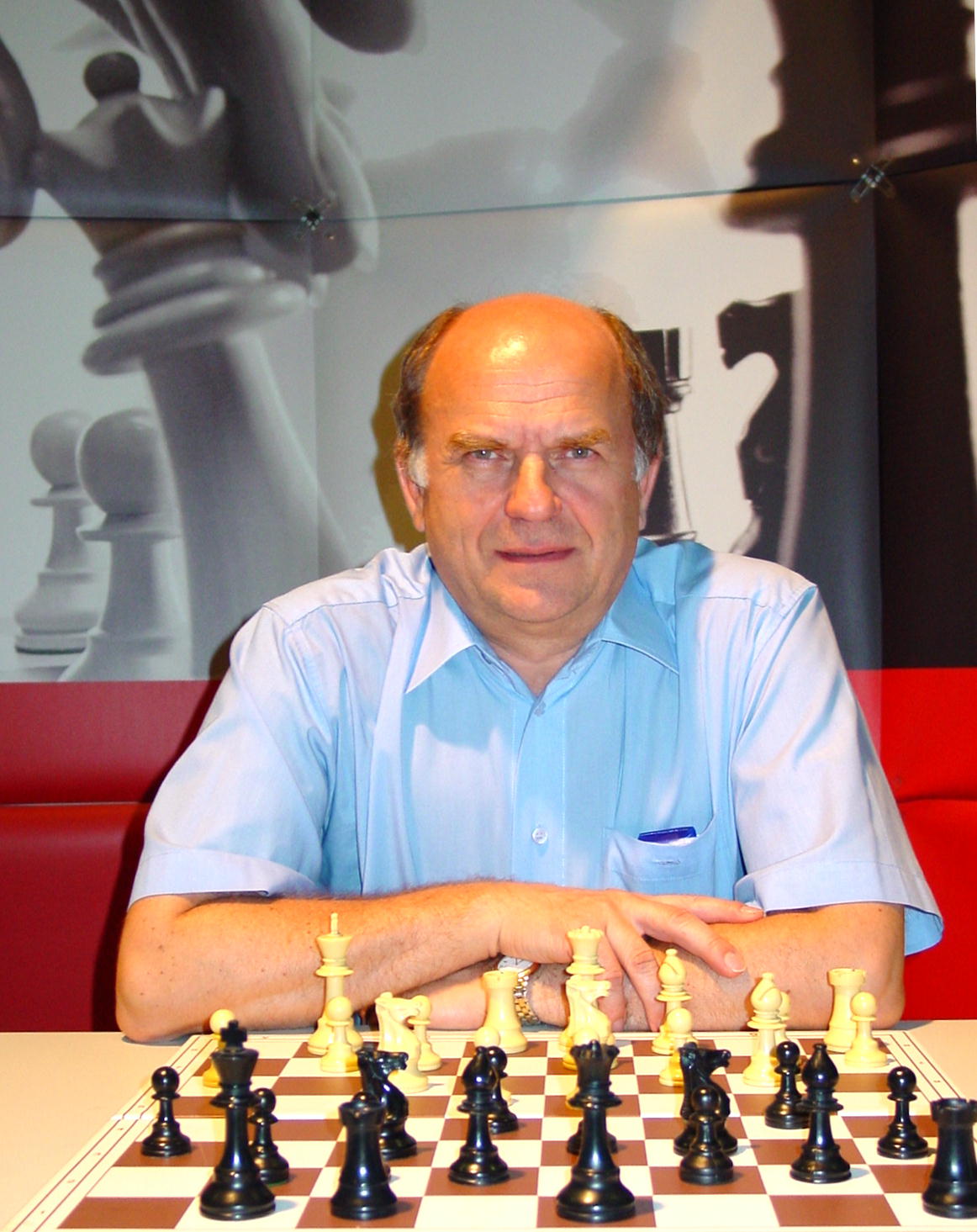
(zdjęcie Chess Base)

Model’s meritorious war effort almost ended up in vain. Right at the beginning of the siege the first threat endangered Abram Jakovlevitch.  His name was Jewish, and moreover, it sounded too ‚German’. Ironically enough, one of the most favourite Hitler’s battlefront commanders was general, and later on field marshal, Walter Model (1891-1945). This German commander almost conquered Moscow in November 1941 and at later times was appointed to command the most critical sections of the battlefield. From the end of January 1944 he took over a group of the Northern armies which sieged Leningrad.

Like the whole country, also Peter’s city was affected by a wave of spy mania during the first months of the war. Government authorities had always encouraged hatred against everything alien and during the war hatred was escalated, whereas the anti-German campaign was obviously the strongest.  As usual in Stalinist repressions, completely innocent people frequently ended up in the hands of officers executing the repression. They committed the only offence – they had a wrong name. In the traditionally cosmopolitan city many families originated from the adjacent Baltic countries or they arrived during the tsarist imperium era from Germany, Austria and the Netherlands to help build Petr’s window to Europe (as Pushkin called Saint Petersburg) and to eliminate Russian underdevelopment. Large numbers of people with German sounding surnames could be encountered in the city.

Many of them ended up in NKVD prisons because of this ‚flaw’ and some of them were even lynched… When they came to arrest the father of Olga Berggolcová, a radio reporter and an author of an extremely popular collection of poems inspired by her Leningrad inferno experience, she recorded in her diary: “He served in the Red Army for the whole civil war as an army doctor, saved thousands of people, he is Russian to the marrow… It seems – and it is not a joke – that NKVD simply dislikes his surname.” Agram Model could really consider himself lucky that he was not persecuted. Maybe his chess activities protected him – he ranked among well known people in the city.

However, the siege represented for everyone, except for the top party representatives, another threat – hunger. And Model was lucky in this respect as well. At the end of December 1941 when almost 30 000 people died of undernutrition every week, the municipal procurement committee allocated 1st class food vouchers to Model. In early January 1942 Master Georgij Michailovic Lisicyn (1909-1972), an author of a valued chess strategy textbook, appeared in Model’s flat. Lisicyn brought to Model a document confirming his entitlement to this special supply; he found his friend half-dead of hunger. Fortunately, Model, being helped by his daughter, managed to get to Jelisejev warehouse where both of them obtained a total of two kilograms of food. At the time when life and death depended on additional 100 grams of old black bread and when even close relatives would rob or kill one another because of food vouchers, this supply meant for Model something like a water-of-life spring.

The city lost the last ground connection with the rest of the country on 8th September 1941 when the Wehrmacht occupied Slisselburg, a historic fortress situated at the place where the Neva river leaves Lake Ladoga. Now the only way to reach the city was across the lake; the siege ring closed down. The worst famine afflicted the city between November 1941 and February 1942. Various public amenities went out of operation along with procurement: water stopped running and the sewage system stopped working, electricity and heat supplies were interrupted. The initial cause of problems in the city was related to the German siege. Nazi commanders did not plan to treat Petersburg gently. According to Hitler´s orders the city was to be destroyed to the ground, surviving citizens were to be liquidated or evacuated. Korchnoi was wrong in his assumption mentioned in his autobiography  that Germans – knowing the architectural beauty of Peter´s city – wanted to retain its impressiveness for themselves. Vice versa almost for the whole siege the enemy continued dropping bombs on the city and firing at the city from long-range canons.

Behaviour of Soviet authorities significantly deteriorated the situation and consequently caused many unnecessary casualties. The notoriously inefficient Soviet bureaucracy proved to be unable to manage unexpected problems of the war and the siege; its representatives preferred the ideology while arrogantly overlooking needs of the citizens. Anastaz Mikojan, a member of the party management and from the beginning of the war the chairman of the Red Army Procurement Committee, was going to send several food trains to Leningrad in September 1941. However, he was strictly rejected by the Leningrad boss Zdanov who hurried to assure Stalin that he took proper care to provide food for the town. Later on Zdanov forbid the local people to obtain food supplies from other places in the Soviet Union. And the reason? Pure propaganda! The regime was trying to hide information about the famine in Leningrad not only from the world, but also from the local public. And most people in the USSR had absolutely no idea about all the tragedies that took place in poor Leningrad especially during that horrible winter 1941 – 1942.

Long ago Dante needed seven circles to describe the deepest levels of hell. As regards Leningrad five circles of hungry inferno would suffice. The first circle meant that at the beginning of the siege domestic animals were eaten – canaries, parrots followed with cats and dogs. Victims of the second circle comprised street birds – pigeons and crows. In the third circle mice and rats disappeared. The fourth circle brought miracles of human inventiveness – people tried to change anything that comprised at least any energy into food. Starting from wallpaper glue, continuing with leather products and ending with medicines, industrial oils and greases. The last circle of Leningrad hell went expressly to the ground itself. People ate the ground, more specifically Leningrad peat. Two pieces of peat could be exchanged for a piece of bread.

When the second man of the Bolshevik revolution, Leon Trotsky (killed in 1940 by an NKVD agent upon Stalin´s order) was told during the Russian civil war that “Moscow was expressly dying of hunger”, Trotski answered: “That´s no hunger. When Titus was conquering Jerusalem, Jewish mothers ate their children. You can come and claim that you are hungry only after I force your mothers to eat their children”. This might be the last circle of the hell even for the sieged Leningrad. Memoirs of blockade survivors do comprise mentions of consumption of human meat. Official propaganda strictly refused this information. But even official reports of the militia and NKVD document a number of dreadful stories in which bodies of the dead saved the ones who were still alive. Almost two thousand people were accused of misusing human bodies and were brought to the court because of that.

The phenomenon that we know from besieged fortresses in other wars or from the history of crews of shipwrecked boats obtained a tinge of horror in a city with three million citizens. Dreadful is the fact  that sometimes people did not even wait till the future source of nutrition died of hunger or a disease. A young worker Olga Grechinova noticed metal splinters lying around lathes in her factory. “What happened to our old cleaning lady,” she asked. Everybody would affectionately address the cleaning lady Aunt Nastja. “She was executed”, the answer was. “She ate her daughter, she hid her body under the bed and cut off pieces of her. Militia shot her down. No court trials are held on these days.” An NKVD situation report as of 13th December describes a case of a mother who suffocated her eighteen-month-old daughter in order to feed herself and three older children. Ten days later NKVD recorded a similar case when a woman killed a year-old child so that she could feed a year older daughter. In the light of these real tragedies Trotsky’s statement does not sound only as a striking example of Bolshevik rhetoric filled with arrogance, pathos and striking ignorance towards human suffering. It changed into a scary prophecy which unfortunately became true in sieged Leningrad.

The system of rationed food was introduced by Leningrad authorities with the aim to prevent a potential procurement crisis right after the beginning of the war. Original doses of up to 800 g bread daily for working adults and 400 g for children up to 15 were sufficient. Moreover, food could also be bought in shops in addition to the allocated ratios. If you owned valuable things you could swap them for food. The Korchnoi family, impoverished by the revolution and civil war had to rely on their ratios. However, since September 1941 when Germans destroyed the direct connection with the rest of the country, the food allocations became smaller and smaller month by month. In the second half of November Viktor and his grandmother, both of whom had the status of dependent persons (i.e. children and not-working adults), received only 125 grams of bread a day. Since there was no flour soon, blockade bread from various substitutes was baked; such bread obviously had a much lower caloric value. For a ten year old youngster such energy supply meant just a slow way to death. By the end of November Viktor could use food vouchers left behind by his father. It was a common practice even though municipal authorities kept criticizing it. Since December 1941 Viktor and his grandmother remained alone in their fight for survival. Uncle Konstantin disappeared at the beginning of autumn after he had stolen a piece of bread in a baker´s shop. Victor Hugo sentenced his novel hero Jean Valjean to several years of hard labour for a similar ‚crime’. Les Miserábles from Leningrad could not enjoy such mercy, NKVD shot them to death instantly.

Zdeněk Vybíral

cdn

lip
30

Kontynuacja o odcinka 20

Monika Soćko: Magazyn SZACHISTA (czerwiec 2009):

Ranking rzędu 2400 czy 2500 można zdobyć samym talentem, ale dalszy rozwój wymaga dobrych trenerów i wielkiej własnej pracy. Tak, polscy szachiści są leniwi. Naturalnie nie wszyscy, ale większość.

W korespndencji prywatnej Internauci wyrazili podziw dla arcymistrzyni za niezwykłą odwagę w ocenie pracy szkoleniowej swoich kolegów.

Gość napisał: Nigdy nie widziałem krytyki Moniki Soćko za tę wypowiedź. Ale gdy pan pisał polemiczne teksty na temat szkolenia, to z miejsca nastąpiła kontra i to przeważnie w złym stylu, że działa pan na szkodę polskich szachów.

Jestem trenerem i publicystą, któremu na sercu leżą problemy naszej dyscypliny, co wielokrotnie podkreślałem w różnych artykułach. Zwracałem uwagę na to, że zawodowy szachista powinien skoncentrować się na treningach i aktywnym uczestnictwu w godnych siebie imprezach. Nie jest żadną tajemnicą, że zawodnicy z ambicjami osiągania znaczących sukcesów międzynarodowych trenują ok. 10 godzin dziennie. Tak jest na całym świecie. Szachiści bowiem muszą sami zadbać o swoją egzystencję. Nikt nikomu nie da pieniędzy za darmo. Starty w turniejach są więc nieodzowne. Profesjonaliści żyją głównie ze zdobytych nagród. Życie szachisty nie jest łatwe. Niektórzy nie wytrzymują tego stresu i po jakimś czasie wycofują się z czynnego uprawiania szachów, albo traktuję grę jako hobby.

Aby osiągać sukcesy trzeba zatem intensywnie i systematycznie się szkolić oraz dużo grać. W żadnym wypadku nie można marnować cennego czasu na jakieś bezprzedmiotowe zajęcia, np. dyskusje na różnych forach. Ten błąd popełniło kilku zdolnych polskich szachistów, co skończyło się dla nich fatalnie. O tych przypadkach pisałem na blogu i innych publikacjach.

Niestety są jeszcze tacy, do których nie dotarło, że zmarnowali swój talent na własne życzenie. Pokazała to m.in. pewna dyskusja kilka miesięcy temu na facebooku, którą zainicjował  czołowy arcymistrza kraju.

Do tego wydarzenia jeszcze wrócę!


lip
29

GRYFICKI  FESTIWAL SZACHOWY GRYFICE, 8–15.09.2019


Szanowni Państwo!

Zapraszamy do wzięcia udziału w I Gryfickim Festiwalu Szachowym, podczas którego chcemy pokazać wartość gry w szachy jako narzędzia kształtującego myślenie i charakter.

Pragniemy przy tym połączyć doświadczenia ludzi różnych pokoleń.

Stwarzamy też okazję do refleksji nad rolą strategicznego myślenia w naszym życiu.

1.  Cele:

  • umożliwienie szachistom zdobycia wyższych kategorii szachowych
  • popularyzacja szachów
  • promocja gryfickiego szkolnictwa
  • promocja myślenia strategicznego wśród dzieci, młodzieży i dorosłych
  • promocja miasta Gryfice i Ziemi Gryfickiej
  • integracja pokoleń
  1. Organizator: Zachodniopomorska Szkoła Biznesu w Gryficach

3.  Współorganizatorzy:

  • Uczniowski Klub Sportowy „Szach” w Gryficach
  • Portal pl
  • Centrum Edukacyjne Top Link Gryfice
  • Uczniowski Klub Sportowy Top Link Gryfice

4.  Partnerzy i sponsorzy:

  • Burmistrz Gryfic
  • Starostwo Powiatowe w Gryficach
  • pl
  • Browar Folga w Gryficach
  • Centrum Rozrywki Rodzinnej Kapitol w Gryficach
  • Nadmorska Kolej Wąskotorowa
  1. Patronat medialny: pl

www.egryfice.pl/gryficki-festiwal-szachowy

  1. Termin: 8–15.09.2019 r.
  2. Miejsce: Zachodniopomorska Szkoła Biznesu w Gryficach, 72–300 Gryfice, ul. Piłsudskiego 34, sala 101

8.  Turnieje:

  • Preludium festiwalu: turniej błyskawiczny na gryfickim rynku, tempo: 3’+2”
  • A1, A2: turnieje kołowe z normą kandydata na mistrza i I kategorię, tempo: 90’/40 posunięć +30’+30” na posunięcie
  • B: Turniej kołowy na II i III kategorię, tempo – 90’+30”
  • C: Turniej szwajcarski na IV kategorię
  • Epilog: turniej open szachów szybkich, tempo – 10’+5”.

Turnieje A i B oraz szachów szybkich są zgłoszone do oceny rankingowej FIDE.

Uczestnicy turniejów A1 i A2 będą uszeregowani wg rankingu FIDE z dnia 1.08.2019 r.  Osoby „nieparzyste” grają w turnieju A1, a osoby „parzyste”   w turnieju A2.

Organizator zastrzega sobie prawo dopuszczenia do każdego turnieju jednej osoby nie spełniającej warunków uczestnictwa, jeżeli nie spowoduje to zna- czącego utrudnienia uzyskania kategorii szachowej.

Podczas partii kontakty dzieci z rodzicami, trenerami lub opiekunami dozwolone są tylko w obecności sędziego.

9.  Uczestnictwo:

W turniejach uczestniczyć mogą  wszyscy  chętni  szachiści,  bez  względu na wiek, w ramach limitu miejsc na każdy turniej, po uzgodnieniu udziału z organizatorem w terminie do 10 sierpnia. Wymóg zgłoszenia do 10 sierpnia nie dotyczy turniejów: błyskawicznego i szachów szybkich.

Zgłoszenia można dokonać poprzez stronę www.chessarbiter.com.

Bezpośredni kontakt: Wojciech Kwocz, tel. +48 733-478-957.

 Dyrektor Festiwalu: Grażyna Maniak – ZPSB.

11.  Wicedyrektorzy Festiwalu:

  1. Sędzia główny: Kazimierz Łaszewski – National Arbiter

13.  Witryny internetowe:

14.  Szczegółowy terminarz (turnieje: A1, A2, B):

  • Przyjazdy: od 8.09.2019 (bursa dostępna od 14.00).
  • Odprawa techniczna: 09.2019 r., godz. 20.00 na sali gry, nr 101.


Data Wydarzenie
Niedziela                8.09. Turniej błyskawiczny:                 godz. 16.00 Plac Zwycięstwa w Gryficach
Poniedziałek           9.09. A1, A2, B: I runda                      godz.   9.00

A1, A2, B: II runda                    godz. 16.00

Wtorek                   10.09. A1, A2, B: III runda                   godz.   9.00

A1, A2, B: IV runda                    godz. 16.00

Środa                     11.09. A1, A2, B: V runda                     godz.   9.00
Czwartek                12.09. A1, A2, B: VI runda                    godz.   9.00

A1, A2, B: VII runda                   godz. 16.00

Piątek                     13.09. A1, A2, B: VIII runda                 godz.   9.00

Turniej C                                    godz. 14.00

Sobota                   14.09. A1, A2, B: IX runda                    godz.   9.00

Turniej C                                    godz.   9.00

Ceremonia zamknięcia –     ok.  godz. 14.00

Niedziela                15.09. Turniej szachów szybkich:          godz. 10.00

Turniej C odbędzie się w Centrum Edukacji Top Link, Gryfice, ul. Kościuszki 19.

15.  Grupy turniejowe i wpisowe (z opłatą rankingową PZSzach.): 

  • Turnieje A: wpisowe 50
  • Turniej B: wpisowe: 50
  • Turniej C: wpisowe: 20

16.  Informacje dodatkowe: 

We wszystkich turniejach obowiązywać będą aktualne przepisy FIDE.

Zawodnik, który spóźni się na rundę więcej niż 30 minut przegrywa partię.

Festiwal jest turniejem dbającym o podtrzymanie wizerunku szachów jako wzorca uczciwej dyscypliny sportowej. Istotne naruszenia etyki lub zasad ry- walizacji sportowej nie będą tolerowane. W celu ochrony zawodników przed nieuczciwą postawą innych uczestników turnieju, zgodnie z zaleceniami FIDE, Sędzia Główny powinien:

  • uznać partię za obustronnie przegraną, jeśli jest przekonany, że wynik był uzgodniony przed rozpoczęciem gry; ocena tego, co jest dowodem pozostaje w gestii Sędziego Głównego;
  • w porozumieniu z Dyrektorem Festiwalu zarządzić dokonanie przeszukania zawodnika oraz rzeczy do niego należących, jeżeli istnieje uzasadnione podej- rzenie, że zawodnik korzysta z pomocy elektronicznej lub osób trzecich.

17.  Informacje o hotelach: 

Dokonanie opłaty wpisowego i opłaty za noclegi w terminie do 15.08.2019

przelewem na konto ZPSB: 21 1240 3842 1111 0000 3081 9544, z dopiskiem „Gryficki Festiwal Szachowy”.

Zapłacone wpisowe i opłata za noclegi nie podlegają zwrotowi.

Głównym miejscem noclegu organizatora jest Bursa ZPSB – Gryfice,

  1. Piłsudskiego 34; w tym samym budynku, gdzie mieści się też sala gry.

 Rezerwacja: tel. 91 38 77 098 ; e-mail: gryfice@zpsb.pl

Cena zakwaterowania w pokoju jednoosobowym wynosi 60 PLN brutto od osoby dziennie. Cena zakwaterowania  w  pokoju  dwuosobowym  wynosi  35 PLN brutto od osoby dziennie. W pokoju znajdują się dwa oddzielne łóżka. Istnieje możliwość dokwaterowania dodatkowej osoby (dwuosobowa wersal- ka) w cenie 20 zł.

Informujemy o możliwości zakwaterowania w gryfickich hotelach – bez dodat- kowych opłat na rzecz organizatora. Prosimy o powołanie się na I GFS.

  • Browar Folga, 72-300 Gryfice, Nowy Świat 8

 www.browarfolga.pl, +48 531 790 144

  • Kapitol, 72-300 Gryfice, ul. Niepodległości 48

 www.kapitol-gryfice.com/pokoje.html

18.  Nagrody: 

Grupa A1

  • I miejsce – 600 PLN
  • II miejsce – 300 PLN
  • III miejsce – 200 PLN
  • IV miejsce – 100 PLN
  • V miejsce –   50 PLN
  • Grupa A2
  • I miejsce – 600 PLN
  • II miejsce – 300 PLN
  • III miejsce – 200 PLN
  • IV miejsce – 100 PLN
  • V miejsce –   50 PLN
  • Grupa B
  • I miejsce – 300 PLN
  • II miejsce – 150 PLN
  • III miejsce – 100 PLN
  • IV miejsce –   50 PLN

Grupa C – Nagrody rzeczowe

Trzy nagrody za trzy najpiękniejsze partie festiwalu – po 100 PLN każda. Zainteresowani zawodnicy przedstawiają Sędziemu Głównemu zapis partii wraz z uzasadnieniem.

Uwagi

  • Upominki otrzymają wszystkie dzieci do 12 lat uczestniczące w I Gryfickim Festiwalu
  • Wysokość nagród podana jest w kwotach Zgodnie z przepisami obowiązującymi w Polsce, nagrody do 760 PLN (równowartość ok. 170 euro) zwolnione są z podatku.

Podatek od pozostałych nagród wynosi 10%.

  • Przy dzieleniu miejsc nagrody są dzielone.

Nagrody nie odebrane osobiście podczas ceremonii zakończenia I Gryfickiego Festiwalu szachowego przepadają. 

  1. Imprezy towarzyszące 

Podczas festiwalu odbędą się imprezy towarzyszące, m.in.:

  • Turniej błyskawiczny
  • Turniej „na komendę” (białe – ruch; czarne – ruch)
  • Symultana z mistrzem międzynarodowym (z zegarami)
  • Prelekcja dla rodziców i nauczycieli na temat wartości szachów
  • Wieczorne pokazy filmów szachowych
  • Konkurs gier matematycznych i logicznych
  • Turniej kręgli w Centrum Rozrywki Rodzinnej Kapitol
  • Rozmowy szachowe z degustacją lokalnego piwa w Browarze Folga
  • Przejazd kolejką wąskotorową (z partią konsultacyjną po drodze)
  1. Ubezpieczenie: Zawodnicy na czas zawodów ubezpieczają się we własnym zakresie.

21.  Postanowienia końcowe 

  • Zgłoszenie się do turnieju jest równoznaczne z zaakceptowaniem pos- tanowień niniejszego Komunikatu
  • W przypadkach spraw nieuregulowanych w niniejszym komunikacie, ostateczną decyzję podejmuje Sędzia Główny (w sprawach sporto- wych) oraz Dyrektor Festiwalu (w sprawach organizacyjnych).
  • Ostateczna interpretacja niniejszego Komunikatu Organizacyjnego na- leży do Sędziego Głównego (w sprawach sportowych) oraz Dyrektora Festiwalu (w sprawach organizacyjnych).
  • Uczestnicy biorący udział w turnieju wyrażają zgodę na przetwarzanie swoich danych osobowych również na potrzeby przyszłych rekrutacji, zgodnie z art. 6 ust. 1 lit. a Rozporządzenia Parlamentu Europejskiego i Rady (UE) 2016/679 z dnia 27 kwietnia 2016 w sprawie ochrony osób fizycznych w  związku  z  przetwarzaniem  danych  osobowych  i w sprawie swobodnego przepływu takich danych oraz uchylenia dy- rektywy 95/46/WE (ogólne rozporządzenie o ochronie danych). Orga- nizator zastrzega sobie prawo do nieodpłatnego wykorzystania mate- riałów audiowizualnych zrealizowanych podczas turnieju.
  • Osoby niepełnoletnie biorą udział pod opieką rodziców lub opiekunów.
  • Organizatorzy zapewniają sprzęt szachowy dla uczestników.
  • W sprawach nie objętych niniejszym komunikatem należy stosować przepisy kodeksu szachowego; w kwestiach spornych wyłączność in- terpretacji posiada sędzia główny zawodów. Organizatorzy nie odpo- wiadają za żadne szkody związane z udziałem zawodników w
  • Organizatorzy zastrzegają sobie prawo do zmian w regulaminie

Dyrektor Festiwalu – prof. Grażyna Maniak

lip
28

Kontynuacja odcinka 2

Gość napisał: Wspaniała gra Jana Krzysztofa Dudy.

Partie i wyniki na ChessBomb: link.

Stan po 6 rundach

1. Vachier-Lagrave, Maxime 4.5 – (9.75)
2-3. Anand, Viswanathan 4 – (10.75)
Duda, Jan-Krzysztof 4 – (10.5)
4. Grischuk, Alexander 3.5 -(10)
5-7. Caruana, Fabiano 3 -(9.75)
Nepomniachtchi, Ian 3 -(8.75)
Nakamura, Hikaru 3 -(8)
8. Mamedyarov, Shakhriyar 2.5 -(5.75)
9. Dubov, Daniil 1.5 -(3.5)
10. Giri, Anish 1 -(2.25)

Fotografie Gościa

lip
28

Dziennik Zachodni: artykuł o III wakacyjnych rozgrywkach w Katowicach.

Z lewej strony widać Jacka Gajewskiego: organizatora imprezy

lip
28

fot. Austin Fuller

lip
27

Marka Baterowicza – szachistę, publicystę i poetę – przedstawiłem już wcześniej na mojej stronie: link.

Niedawno ukazała się kolejna praca Pana Marka obejmująca  aforyzmy, refleksje itd. Nie zabrakło oczywiście miejsca na wątek szachowy!

  • Szukaj:
  • Nadchodzące wydarzenia

    maj
    1
    pt.
    2026
    całodniowy TePe Sigeman Tournamnt
    TePe Sigeman Tournamnt
    maj 1 – maj 7 całodniowy
    Miejsce turnieju: Malmö Strona turnieju: Tournament Info 2026 – Tepe Sigeman & Co Chess Tournament Grają m.in. Carlsen, Abdusattorov, Erigaisi, Van Foreest itd.
    maj
    4
    pon.
    2026
    całodniowy GCT Poland (rapid)
    GCT Poland (rapid)
    maj 4 – maj 6 całodniowy
    Strona turnieju: Home – Grand Chess Tour Grają m.in. Praggnanandhaa, Keymer, Sindarov, Firouzja, So, Caruana, Giri, Aronian, Vachier-Lagrave  
    maj
    7
    czw.
    2026
    całodniowy GCT Poland (blitz) 2026
    GCT Poland (blitz) 2026
    maj 7 – maj 8 całodniowy
    Strona turnieju: Home – Grand Chess Tour  
    maj
    24
    niedz.
    2026
    całodniowy IMEK Batumi
    IMEK Batumi
    maj 24 – cze 6 całodniowy
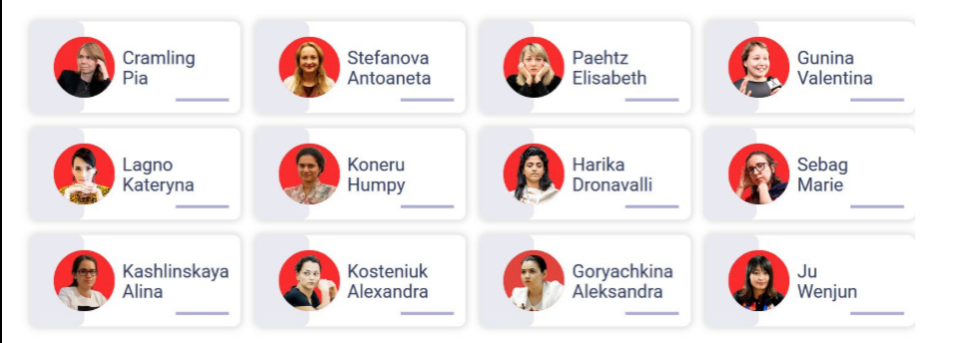
    W dniach 24.05-06.06.2026 w Batumi (Gruzja) odbędą się Indywidualne Mistrzostwa Europy Kobiet. strona zawodów komunikat
  • Zwiastun

  • Odnośniki

  • Skąd przychodzą

    Free counters! Licznik działa od 29.02.2012
  • Ranking FIDE na żywo

  • Codzienne zadania

    Play Computer
  • Zaprenumeruj ten blog

    Wprowadź swój adres email, by prenumerować ten blog i mieć informację o nowych wpisach przez email.